
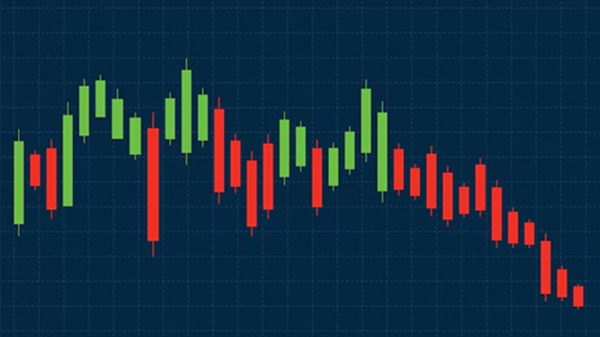
Price movement attracts many market users who seek quick gains through clear patterns and smart timing. Understanding price behavior starts with forex charts, which show market flow using visual lines and shapes. These views help spot rising moves, falling pressure, and quiet periods. Clear chart reading builds trust in decisions, reduces guesswork, and supports steady planning. New users benefit when they focus on simple signals rather than complex math. Clean visuals guide entry choices, exit timing, and risk control. A strong base in chart reading improves focus, patience, and discipline during active market hours.
Price Movement Basics
Market prices move due to supply pressure, sentiment shifts, and reactions to news. Visual patterns help notice these changes clearly. Simple price views show highs, lows, and closing levels. Watching movement over time builds awareness. This method avoids confusion and supports calm choices during active sessions.
Candlestick Meaning
Candlestick views show open, close, high, and low values within a time frame. Each shape tells a clear story. Long bodies suggest strength. Short bodies signal pause. Wicks show rejection zones. This format helps spot quick changes and possible reversals during fast sessions.
Trend Direction Signals
Trends guide most decisions. Upward lines show buying pressure. Downward lines show selling force. Sideways ranges show balance. Drawing basic lines helps confirm direction. Trading with the trend reduces risk. Ignoring trends often leads to weak results during active market hours.
Common Errors
- Chasing fast moves without signals frequently leads to loss due to poor timing and emotional reactions.
- Ignoring clear levels causes entries at weak zones where price often reverses quickly.
- Overloading screens with tools creates confusion and slows decision-making during active hours.
- Trading without limits risks large drawdowns that break focus and reduce confidence.
- Skipping review prevents growth and repeats the same errors.
Support Resistance Zones
Support marks areas where price often stops falling. Resistance marks levels where rises slow. These zones form from past behavior. Watching reactions near these points helps plan entries, exits, and limits. Clear zones improve timing and protect funds during uncertain moves.
Moving Average Use
Moving averages smooth price noise and reveal direction. Short averages react fast. Long averages move slowly. Crossovers hint at change. Many users rely on these lines for confirmation. Simple averages reduce stress and help align trades with broader movement.
Momentum Reading
Momentum tools show the speed of price moves. Rising momentum confirms strength. Falling momentum warns of weakness. These signs help avoid late entries. Watching momentum keeps focus on quality setups rather than chasing quick moves without support.
Volume Insight
Volume shows how many trades occur at a level. High volume confirms interest. Low volume suggests weak belief. Pairing volume with price action improves clarity. Strong moves with strong volume offer better trust during planning stages.
Risk Control Planning
Risk control protects capital during losses. Setting limits before entry avoids emotional action. Using chart levels for stops improves balance. Proper sizing keeps losses manageable. Steady control supports long-term growth rather than sudden damage.
Simple Practice
Practice builds skill through steady review.
- Study past moves daily using clean layouts to understand behavior and reaction zones clearly.
- Mark levels manually to improve memory and strengthen visual recognition skills.
- Use small-sized trades to test ideas without stress or pressure.
- Keep notes on outcomes to track patterns and adjust plans calmly.
- Review mistakes weekly to refine approach using forex charts.
Strong market decisions come from simple tools, steady review, and calm control. Visual study builds awareness of price behavior, timing, and reaction areas. Using clean setups avoids overload. Focusing on direction zones, momentum, and volume supports better choices. Risk planning protects funds during weak periods. Regular practice sharpens skills. With patience and structure, traders gain clarity and improve results by trusting forex charts.
